Understanding Radon Electrical Provisions for Safe Mitigation
@radonelectricalprovisionsfacts
October 10, 2026 · 8 min read
Why Electrical Provisions Matter in Radon Mitigation
When I first started working in radon mitigation, I assumed the hardest part was deciding where to drill the hole in the slab. After a few jobs in older homes around Saint Louis, I learned that the electrical work often caused the most headaches. A radon mitigation system is essentially a mechanical setup, a fan, some PVC piping, and a few monitoring tools, but it needs a dedicated power source that meets both the equipment's demands and local codes. That is where radon electrical provisions come into play. These provisions are the wiring, outlets, switches, and code-compliant connections that provide reliable power to the radon fan and any auxiliary devices like a manometer or electronic radon detector.
Without proper radon electrical provisions, a system may run intermittently, fail to maintain negative pressure under the slab, or create a safety hazard. I have seen homeowners tie the fan into an existing outlet on a circuit that also powered a freezer, causing breakers to trip during the night. That is not just inconvenient; it can allow radon gas levels to climb back up unnoticed. So, getting the electrical side right from the start is as important as choosing the right soil suction method.
What a Radon Mitigation System Requires Electrically
A typical sub-slab depressurization system uses a continuous-duty radon fan that runs 24/7. The fan draws air from beneath the basement or crawlspace slab through PVC piping and vents it above the roofline. Most residential fans draw between 0.5 and 2 amps at 120 volts, but the starting surge can be higher. A dedicated circuit is recommended, not because the fan is a huge load, but because a shared circuit can cause nuisance tripping or a voltage drop that shortens the fan's life.
Beyond the fan, the system often includes a manometer or a U-tube gauge that monitors the pressure difference across the system. Some newer radon detectors also plug into the same circuit. The radon electrical provisions should account for these devices, ideally with a grounded outlet near the fan location. In basements, the outlet should be at least a foot above the floor to avoid potential flooding. For crawlspace installations, the wiring must be rated for damp locations and protected from physical damage.
Code Compliance and Safety
Building codes in Saint Louis and most jurisdictions require that any electrical work for radon mitigation follows the National Electrical Code. This means using the correct wire gauge, GFCI protection in unfinished basements or crawlspaces, and proper junction boxes. A common mistake I see is using a standard extension cord as a permanent solution. That is not up to code and can degrade over time, especially in a crawlspace where moisture and pests are factors. A licensed electrician should handle the connection from the panel to the fan, but many radon contractors coordinate this step.
One trade-off is whether to hardwire the fan or use a plug-and-cord setup. Hardwiring is cleaner and eliminates a potential point of failure at the plug, but it makes future replacement harder. A plug-in setup with a dedicated outlet is simpler and allows the homeowner to disconnect the fan for maintenance without calling an electrician. Both methods can meet code if done correctly. The decision often comes down to the specific radon electrical provisions allowed by the local inspector.
Planning Electrical Provisions Before Installation
During a radon testing visit, I always note the location of the nearest electrical panel and the available capacity on the panel. If the panel is full, we may need to add a breaker or use a tandem breaker if the panel allows it. This is part of the pre-installation planning that many homeowners overlook. The cost of adding a dedicated circuit can be a few hundred dollars, but it is much cheaper than dealing with a fan that keeps tripping a breaker or a system that never runs properly.
Another factor is the fan's placement. Ideally, the fan is installed in an attic or outside the living space, but that often means running wiring from the basement or crawlspace up through the walls. That run requires careful routing to avoid sharp edges and heat sources. PVC piping can be run in the same chase, but electrical and plumbing should be separated by a fire-rated barrier if local codes require it. The radon electrical provisions must also include a disconnect switch near the fan for safety during maintenance. This switch is usually a simple toggle or pull-chain that is clearly labeled.
Post-Installation Verification and Electrical Checks
After system installation, the final step is post-installation verification. This includes checking that the radon fan runs continuously and that the manometer shows the correct negative pressure. But it also means testing the electrical side, verifying the voltage at the fan, checking that the GFCI trips correctly, and ensuring there are no loose connections. I always plug a portable radon detector into the same circuit for a few days to confirm the system is operating as designed. If the detector shows elevated levels, the first thing I check is the electrical supply. A flickering light on the fan or a manometer reading that drifts can indicate a power issue.
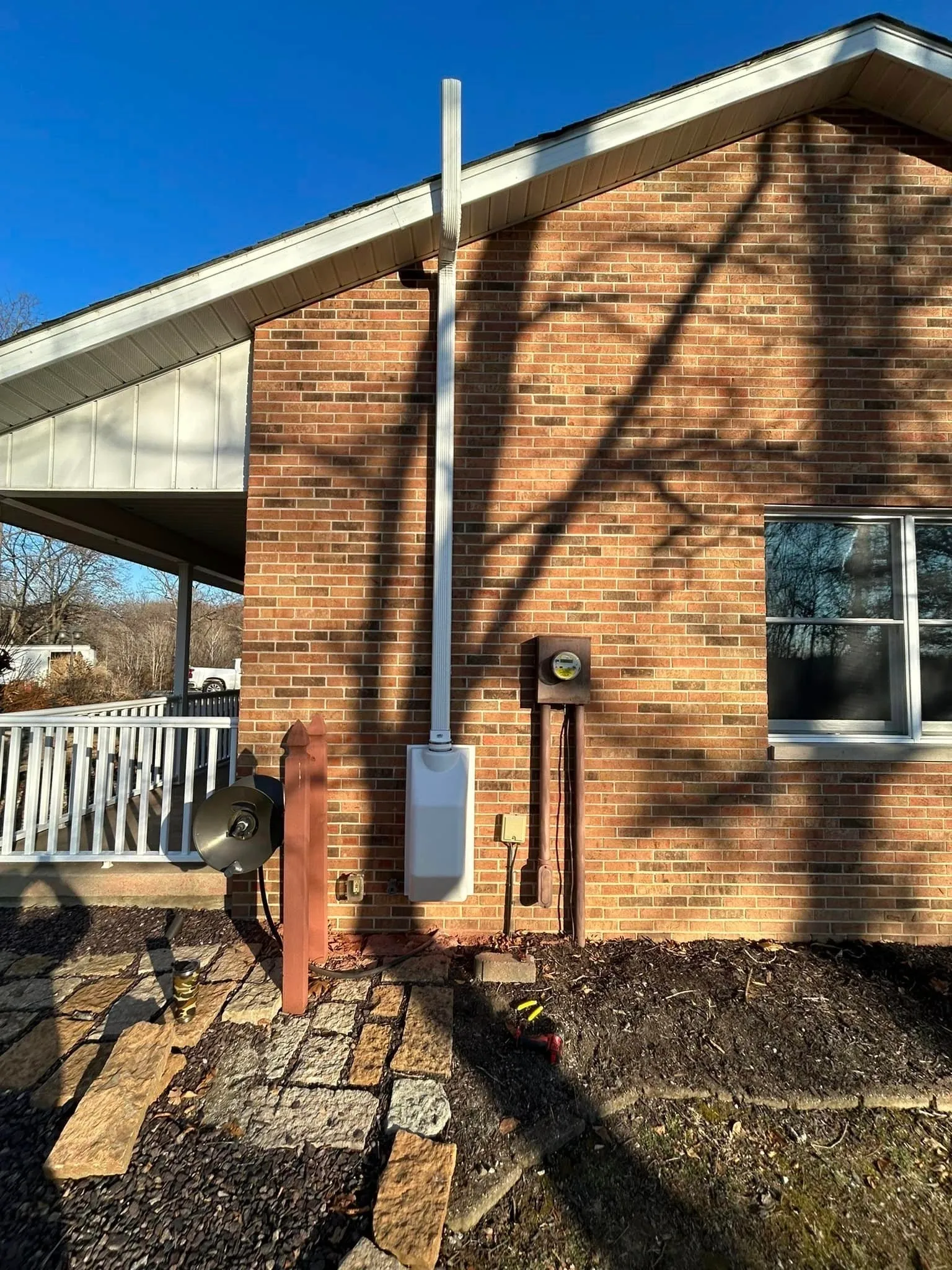
One of the most common post-installation issues I see is a radon fan that stops running because a GFCI outlet tripped during a rainstorm. That is why I recommend using a GFCI breaker at the panel rather than a GFCI outlet in a damp location. The breaker is less prone to nuisance tripping and protects the entire circuit. This is a detail that falls under radon electrical provisions but is often missed by contractors who focus only on the mechanical side.
The Role of the Radon Contractor
A good radon contractor should either have a licensed electrician on staff or work closely with one. The days of assuming the homeowner can handle the electrical work are over, especially with modern building codes. In Saint Louis, some contractors offer a full-service package that includes radon testing, system design, installation, and electrical work. Others subcontract the electrical portion. Either way, the homeowner should ask about the radon electrical provisions before signing a contract. Get it in writing that the electrical work will meet code and be inspected if required.
The EPA recommends that radon mitigation systems be installed by qualified professionals. One reason is the electrical complexity. A poorly wired fan can create a shock hazard or a fire risk, especially in a damp crawlspace or basement. The fan itself is usually UL-listed for continuous operation, but the wiring and connections must match that standard. Using the wrong type of sealant on the PVC joints will not cause a fire, but a loose wire nut can. That is why attention to detail matters at every step.
Practical Tips for Homeowners
- Confirm the electrical panel has an available slot for a dedicated breaker before installation day. If not, plan for a sub-panel or a tandem breaker.
- Ask your contractor whether the fan will be hardwired or plugged into a dedicated outlet. Both can work, but understand the trade-offs.
- If the fan is in a crawlspace, ensure the outlet is GFCI-protected and the wiring is rated for wet locations. Use a cover plate to keep out debris.
- After installation, test the GFCI monthly by pressing the test button. A fan that stops running because of a tripped GFCI will not alert you until you check the manometer.
- Keep a record of the circuit breaker label so you know which breaker serves the radon system. This helps during electrical work or future renovations.
Common Misconceptions About Electrical Needs
Some homeowners think a radon mitigation system can be powered by a simple plug-in adapter or a long extension cord from another room. That approach can work temporarily, but it is not reliable for a system that needs to run for years. The voltage drop over a long, undersized cord can cause the fan to run slower, reducing the suction and allowing radon gas to seep back in. Also, extension cords are not rated for continuous use in concealed spaces like attics or crawlspaces. The radon electrical provisions should be permanent, code-compliant, and part of the home's electrical system.
Another misconception is that the electrical work is the same for every house. In reality, older homes in Saint Louis may have knob-and-tube wiring or an outdated panel that cannot accept a new breaker without an upgrade. A home with a finished basement may require fishing wires through walls, which adds time and cost. A crawlspace with limited headroom may require wiring that is armored or protected in conduit. Each situation calls for a tailored approach.
Final Thoughts on Radon Electrical Provisions
Getting the radon electrical provisions right is not the glamorous part of radon mitigation, but it is the part that keeps the system running safely and effectively. I have seen too many systems fail not because of a bad fan or a leaky pipe, but because someone skimped on the electrical work. The good news is that with proper planning, the electrical side is straightforward. A dedicated circuit, GFCI protection, and a solid connection to the fan are all it takes. Whether you are a homeowner researching the process or a contractor looking to improve your installations, remember that the electricity that powers the fan is just as important as the PVC piping that moves the air. Treat it that way, and the system will serve you well for years.